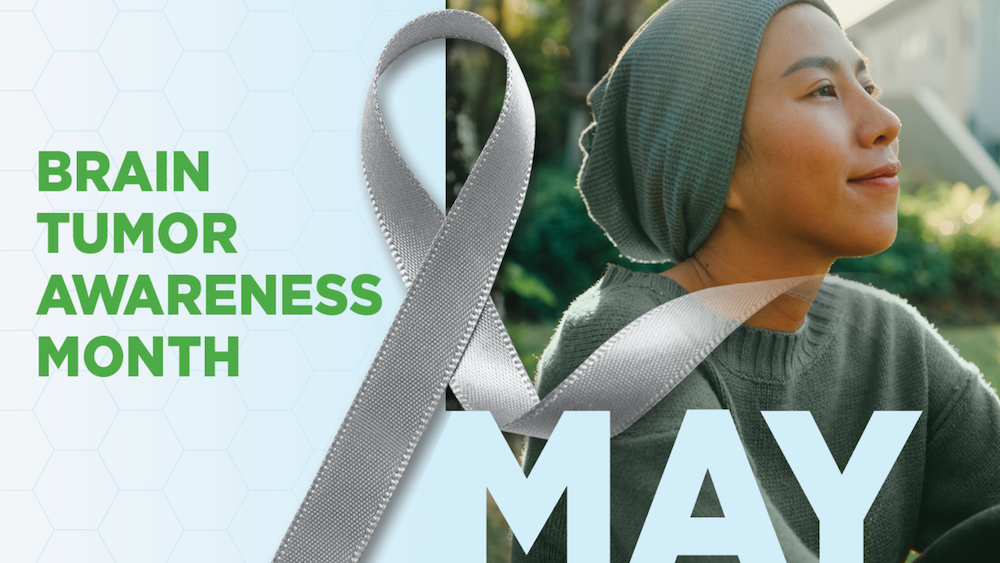
During May—Brain Tumor Awareness Month—Barrow Neurological Foundation teamed up with local businesses, restaurants, philanthropic partners, and the donor community to shine a light on brain cancer and to support the Ivy Brain Tumor Center.
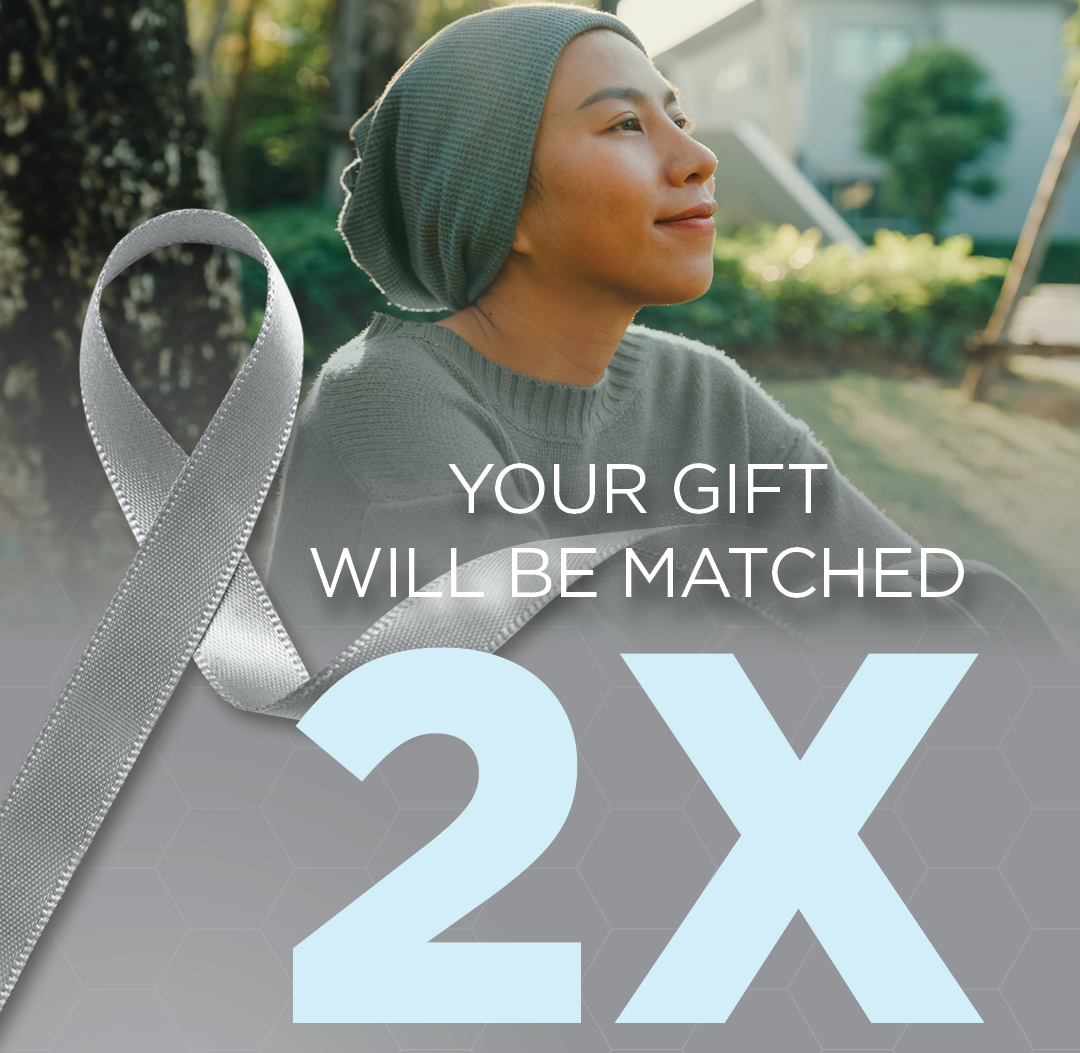
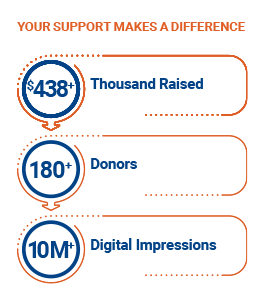
Through its annual outreach campaign, Barrow Neurological Foundation engaged the donor community, sharing stories of hope and resilience from individuals and those with loved ones who have been diagnosed with a brain tumor. Fueled by a generous commitment from The Rick Oehme Foundation to match all gifts up to $100,000, the campaign resonated with over 150 donors and raised an incredible $438,000 to accelerate brain cancer research.
Support from our dedicated philanthropic partners—Cold Beers & Cheeseburgers, Hensley Beverage Company, and the Arizona Diamondbacks Foundation—further engaged the community at a state-wide level.
Dine & Donate Campaign
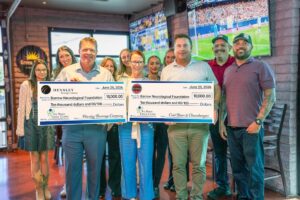
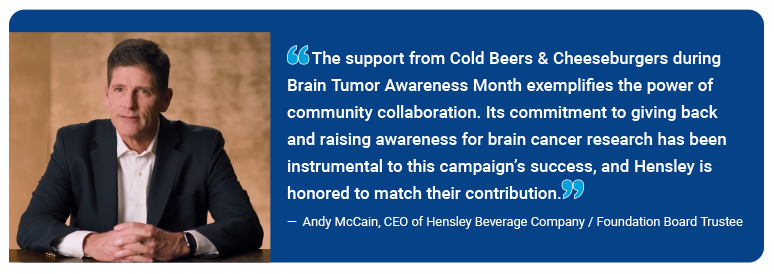
Through a Dine & Donate promotion, Cold Beers & Cheeseburgers locations throughout Arizona donated a portion of sales from select menu items to benefit the Ivy Center and its innovative Phase 0 clinical trials program. The month-long campaign highlighted the urgent need to advance brain cancer research, prompting patrons to raise nearly $20,000 through their participation and a matching gift from Hensley Beverage Company.
Brain Tumor Awareness Day
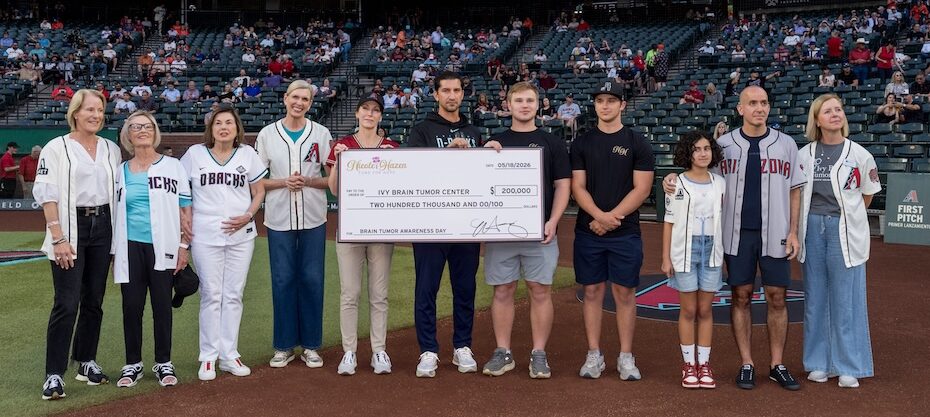
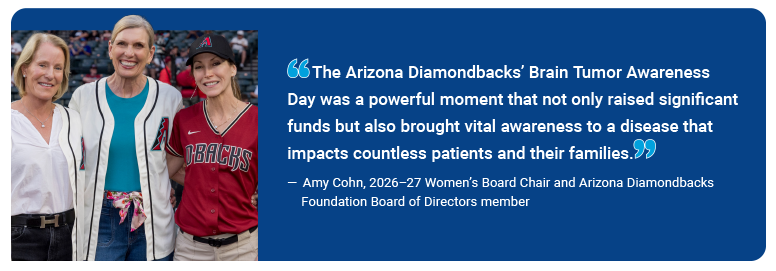
On May 18, the Ivy Center was featured on one of Arizona’s biggest stages: Chase Field. The Arizona Diamondbacks hosted a Brain Tumor Awareness Day game, during which the Ivy Center was recognized with a dedicated “Go Gray for May” section, a special first pitch, and a check presentation from the Nicole Hazen Fund for Hope and the Women’s Board of Barrow Neurological Foundation.
Your Support Makes a Difference
The funds raised during Brain Tumor Awareness Month will directly fuel the Ivy Center’s groundbreaking Phase 0 clinical trials program, which gives patients and families something they’ve never had before: answers in days, not years.
Through the Ivy Center’s Phase 0 clinical trials program, patients are given a short course of an individualized therapy days before their scheduled surgery, and when the tumor is removed, scientists test whether the drug actually reached the tumor and affected its biology. If it does, patients continue treatment immediately; if not, we avoid exposing them to an ineffective therapy and pivot them to another. This rapid “go/no-go” model dramatically accelerates discovery, reduces wasted time and cost, and gives patients faster access to the most promising new treatments—bringing hope to patients, families, and caregivers at the most difficult moment of their lives.