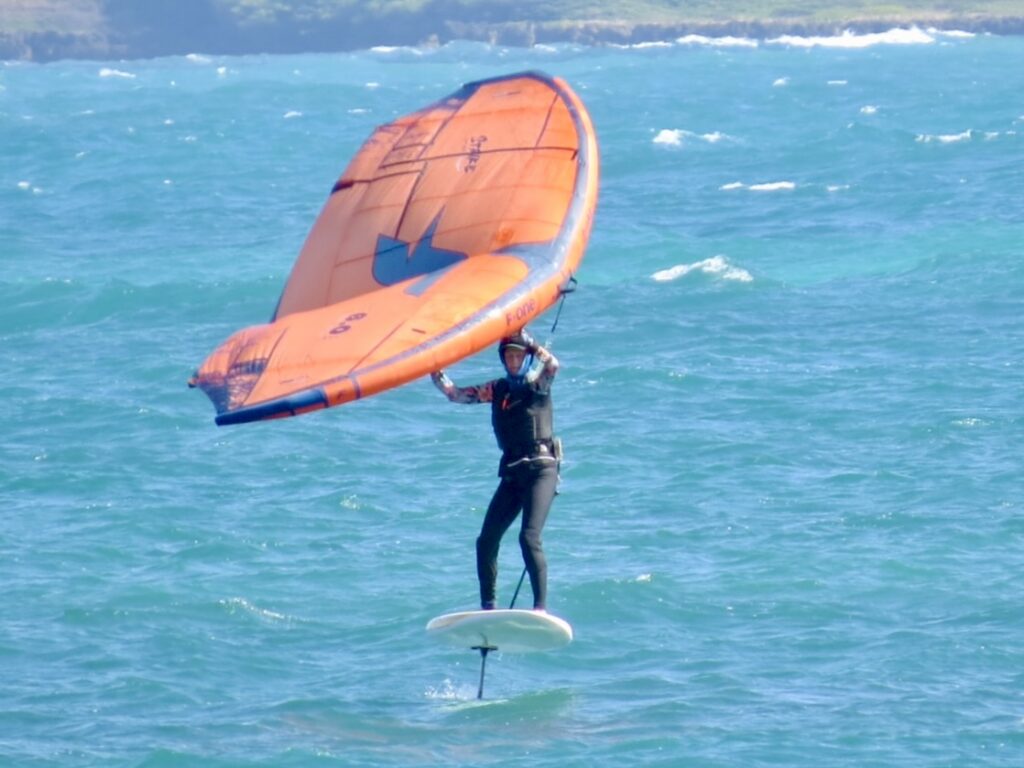
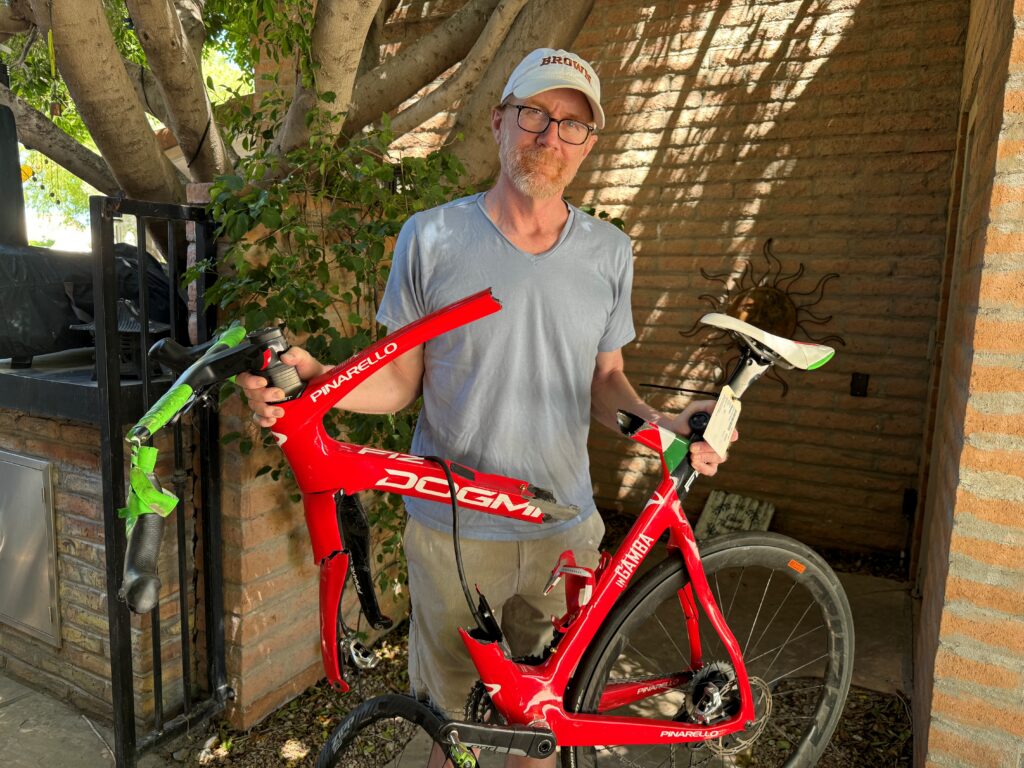
At 9:55 a.m. on March 30th, 2024, paramedics rushed a critically injured “John Doe” into the Emergency Department. The man had been hit by a car at full speed while riding his bicycle. Doctors swarmed around him to address a multitude of life-threatening injuries: massive head trauma and brain bleeds; rib, spine, and facial fractures; and a collapsed lung were among the most pressing.
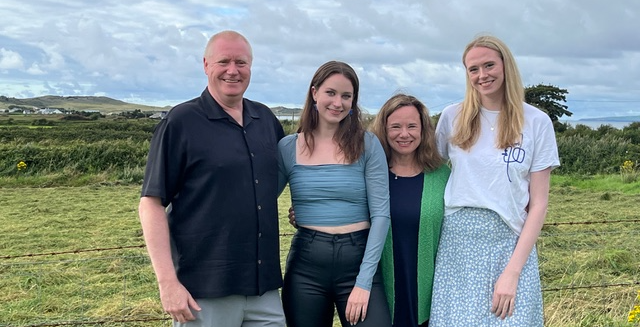
Eventually, loved ones identified him as Eric Sredzinski—a local pharmacist, devoted husband, and father of two. Although his body began to heal, Eric still couldn’t shake the feeling of being a “John Doe.” The effects of his severe traumatic brain injury (TBI) had deeply shaken his sense of self. Leaving the hospital, Eric was alive, but it was his journey through the Neuro-Rehabilitation Center at Barrow Neurological Institute that helped him truly start living again.
The Power of Perspective
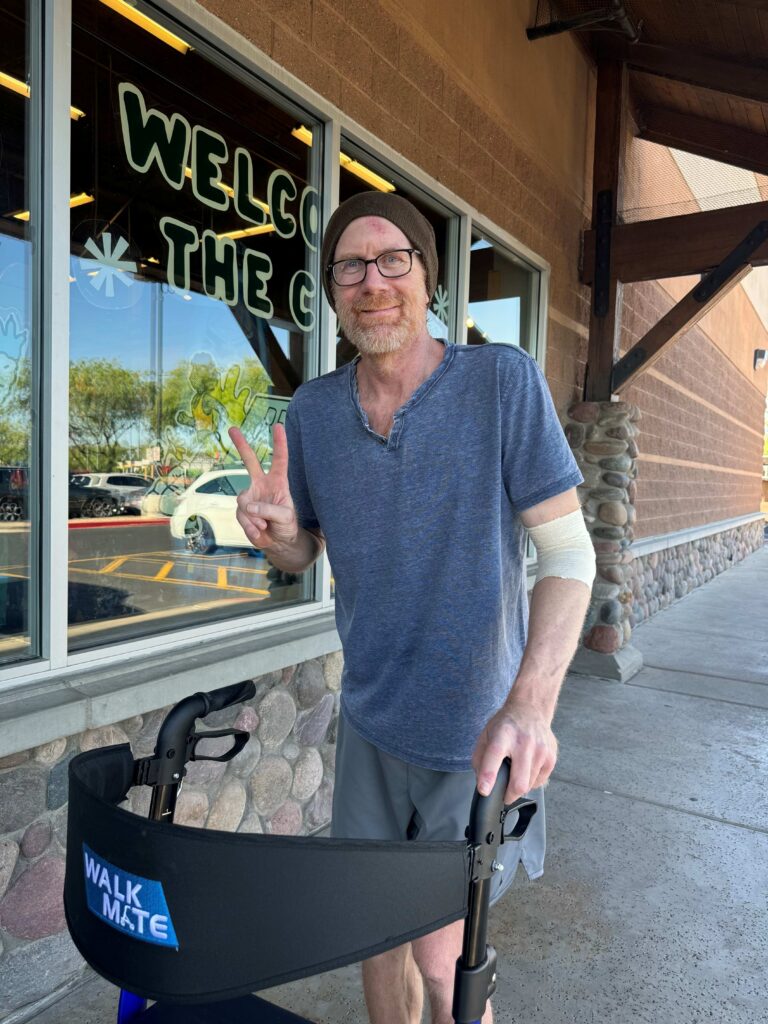
Eric remembers entering the inpatient unit at the Barrow Neuro-Rehabilitation Center and recognizing that this would be “a different type of fight; not life or death, but a metamorphosis.” When asked about his goal for rehabilitation, he answered, “to become a better version of myself.” That mindset—grounded in gratitude rather than anger—became central to his recovery, and his Barrow care team was always among the things he was most thankful for.
However, adapting to life after a severe TBI can feel lonely and isolating, which is why having a supportive community throughout rehabilitation is so important. Eric found his community through the Bridge Program at Barrow.
A Deeper Kind of Healing
During his 12 weeks in the Bridge Program, Eric received individual physical, occupational, speech, and psychological therapy. He also participated in group activities, such as charity work, ceramics painting, and miniature golf, to help him reintegrate into the community. He even took lessons to return to driving using the Neuro-Rehabilitation Center’s state-of-the-art simulator.
For Eric, the most powerful part of the program was connecting with others who had also experienced life-altering events. “We all had severe TBIs, individuals who loved us, memories of who we used to be, and struggles to adjust to our changes,” he says.
“It gave me the opportunity to recognize that I was not alone, to ask survival questions, to have someone to lean on, and to be a source of strength when needed.”
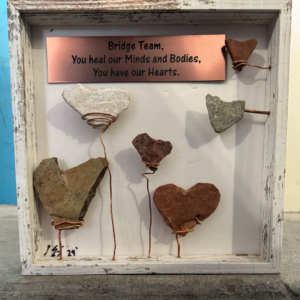
During one of his group sessions, Eric asked his peers what their post-accident ‘superpower’ was. It was something he had pondered himself. “At the time, I would have said that my ‘superpower’ was being more emotional, perhaps more empathetic. Now, I would say that I have more artistic ability. Maybe it’s because I’m willing to take more risks. I’m not afraid of the result, or maybe it’s something I feel needs to come out,” he explains. A few of the media Eric works with are copper, wood, and stone—he’s been making stone heart “lollipops” on copper wire and “floating” copper hearts from mesquite wood. He even gifted one of these creations to his Barrow Bridge team as a gesture of his sincerest gratitude.
Looking back, Eric says the accident allowed him to really dig deep and self-explore. It also gave him access to the people who would help him recover and heal, not just in body, but also in soul.
“I consider myself lucky. Lucky to have survived, lucky to have received amazing care, and lucky to have had such a transformative experience. The people at Barrow are truly special, and I know countless patients just like me are beyond thankful.”
Transformation After Trauma
Eric shares some of the most valuable lessons he learned along his journey. He says these lessons weren’t simply read in a book but “born from late-night conversations with loved ones and nurses, bedside talks with physicians, and exchanges with rehabilitation therapists—having my community and caregivers at Barrow listen, really listen to me.”
- Learn to embrace vulnerability: “What I found, but don’t remember, is the support provided to me on that morning of March 30th by the 911 callers, witnesses, and paramedics while I was completely vulnerable and in need of help. Similarly, my first shower, 16 days after my accident, was at Barrow with three nurses and my occupational therapist. Vulnerability, gone. A cleaner Eric, check. Individuals happy to help and grateful for my joy, yes.”
- Show me the evidence: “I had my moments on this journey where I wondered if I would be a good husband, a capable employee, or a supportive father. My rehab psychologist would continually ask me about the evidence against these questions. Almost two years later, I still use this technique; it helps keep me in check.”
- Practice acceptance: “Early on after my accident, I accepted that I was going to get it wrong. Life is full of curve balls, and I have learned not to be overly critical, impatient, or unkind to myself.”
- Contentment is underrated: “I have figured out how to feel okay about myself and my choices in life. I find that I don’t need all the answers right now; I’ll find them, or someone will help. I am grateful every day for this lack of inner doubt and conflict. My pursuit of gratefulness is key for me.”
- Kindness is important: “One of the most important things we can offer others, and ourselves, is kindness, and I was very intentional and sincere to thank everyone who got healthy.” Small, positive gestures matter; practice them daily.
- Needs versus wants: “I was able to get very, very clear on needs versus wants during this journey. Paying attention to this distinction keeps me conscious of the million little ways that my life is blessed. If something breaks, or I can’t remember a series of random 2-digit numbers in descending order, life goes on. It’s rarely that important anyway.”
Your generous support helps the Barrow Neuro-Rehabilitation Center provide a full continuum of care, so patients with severe neurological trauma can regain their confidence and independence while embarking on a new journey in life.

“I consider myself lucky. Lucky to have survived, lucky to have received amazing care, and lucky to have had such a transformative experience. The people at Barrow are truly special, and I know countless patients just like me are beyond thankful.”
-Eric Sredzinski, local pharmacist, devoted husband, and father of two. Neuro-Rehabilitation
Related Stories