July 22, 2026, is recognized as World Brain Day, a global day of observance spearheaded by the World Federation of Neurology to raise awareness about brain health and neurological disorders. Every year, the Federation chooses a new theme to reflect global health priorities, partnering with organizations like the World Health Organization to address specific topics in neurological care.
This year’s theme is “Brain Health: Access for All,” emphasizing the importance of making brain health accessible to everyone, everywhere.
The Petznick Stroke Center at Barrow Neurological Institute is paving the way for greater access to stroke care and vascular neurology expertise in Arizona.
What is a stroke?
Approximately 800,000 Americans every year have a stroke. It is the number one cause of adult onset disability and one of the leading causes of death in America.
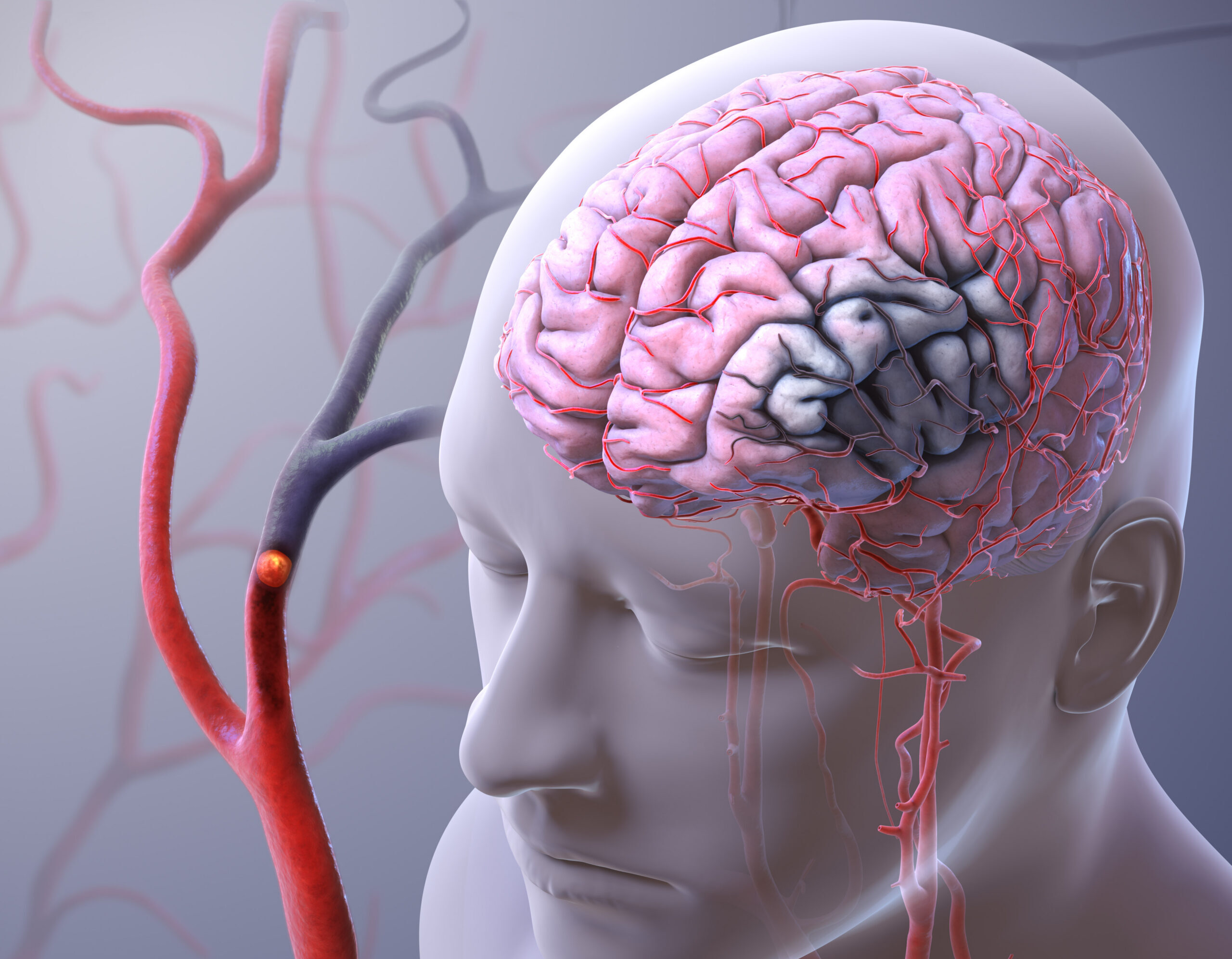
A stroke occurs when there is a sudden interruption of blood flow to part of the brain. There are different types of stroke, including an ischemic stroke and a hemorrhagic stroke, with each requiring a different treatment approach. An ischemic stroke occurs when blood flow to the brain is reduced, caused by the brain’s blood vessels becoming narrow or blocked. A hemorrhagic stroke occurs when a blood vessel within the brain leaks or bursts, causing bleeding inside the brain. This leads to increased blood pressure within the brain.
Both forms of stroke can be dangerous and cause permanent damage to the brain. When it comes to strokes, the saying “time is brain” rings true. Every minute that blood flow to the brain is interrupted, millions of cells can die. This means every function that these brain cells control is at risk, and severe brain damage and loss of function can occur quickly. Because of this, those experiencing a stroke must be assessed and treated as soon as possible. Yet, not everyone has equitable access to vascular neurology expertise, especially those who live in rural or underserved communities.
Accessing Timely Stroke Care

We heard from Judea Wiggins, MD, director of the Telestroke Program within the Petznick Stroke Center, about the importance of timely stroke care. She states, “access to stroke care can save millions of brain cells with every minute that we are able to get care faster.” Many communities in Arizona do not have access to 24-hour vascular neurology experts, and the drive time to a to a specialized stroke center can be hours long, leading patients to miss the “golden hour” for receiving a clot-busting drug to minimize long-term brain damage.
That’s where the Telestroke Program at Barrow Neurological Institute steps in.
“With the Telestroke Program here at Barrow, we are able to deliver that expertise regardless of a patient’s location.” – Dr. Wiggins
Barrow Telestroke Program
Barrow currently has 19 Telestroke partner sites across Arizona. When a patient at one of these sites is suspected of having a stroke, the facility can reach out to Barrow and connect with an on-call vascular neurologist at any time. Barrow vascular neurologists are then able to virtually assess the patient using information from a telecart located in the facility’s emergency room. As Dr. Wiggins explains, our vascular neurologists are able to obtain the patient’s medical history and physical information, complete a virtual stroke assessment, interpret imaging, and recommend a treatment plan based on the type of stroke determined. If the specialist determines a higher level of care is needed, they can assist in initiating an emergency transfer to Barrow Neurological Institute.
Community Partnerships
Dr. Wiggins also elaborated on the pride she has in the Telestroke Program’s community partnerships. For instance, she expands upon a research opportunity in partnership with a Navajo Nation community that is currently being funded through a grant from Barrow Neurological Foundation. Through this project, Barrow neurology residents work with partners at Chinle Comprehensive Health Care Facility on the Navajo Nation to assess the program’s accessibility and success, exploring how it is integrated within the community and how community members view the program itself.
“Residents have the ability to assess the accessibility of our Telestroke Program in locations such as the Navajo Nation, where healthcare disparities are inequitable,” she states.
Since 2023, the Telestroke Program has impacted more than 3,000 individuals, averaging over 100 calls per month.
Looking to the Future
Plus, the program is only just beginning. Dr. Wiggins explains that she has hopes to “expand care throughout the state and potentially outside of Arizona,” further exemplifying the Petznick Stroke Center’s passion for expanding access to expert stroke care for everyone, everywhere.